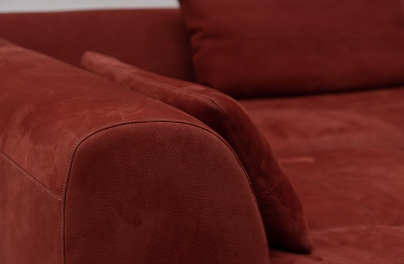
Mass-produced furniture dominates contemporary markets prioritizing manufacturing efficiency over quality craftsmanship creating standardized pieces lacking individual character or meaningful connection to owners. Factory production optimizes cost minimization through automated processes utilizing engineered materials including particleboard cores, synthetic veneers, and mechanical fasteners designed for rapid assembly rather than generational durability. These compromises produce furniture serving immediate functional needs yet failing to develop patina enriching appearance over time or withstanding rigorous daily use throughout decades of family life. Custom handmade furniture represents fundamental alternative philosophy valuing artisanal skill, material authenticity, and enduring quality over expedient mass production. Skilled craftspeople transform raw timber into functional artworks through techniques perfected across centuries of woodworking tradition including mortise-and-tenon joinery providing structural integrity without visible fasteners, hand-planed surfaces revealing wood grain beauty unavailable through machine processing, and traditional finishing methods protecting wood while enhancing natural characteristics. Each commission begins with collaborative design consultations understanding client preferences, spatial requirements, and functional needs informing piece development ensuring furniture serves practical purposes while expressing individual aesthetic sensibilities. This personalized approach creates furnishings perfectly suited to specific spaces and lifestyles rather than compromising between available mass-produced options approximating requirements without genuine satisfaction.
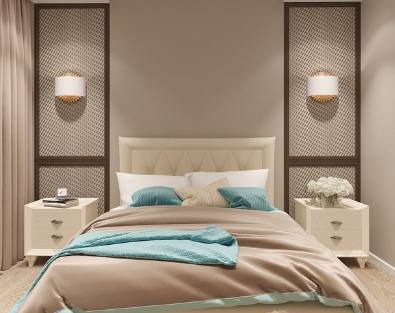
Material selection fundamentally determines furniture longevity and aesthetic character requiring expertise distinguishing quality hardwoods from inferior alternatives marketed through misleading terminology. Solid hardwoods including oak, walnut, cherry, and maple provide structural strength and visual beauty developing richer patina with age as natural oils darken wood tones creating warmth impossible to replicate through artificial staining. Wood grain patterns vary dramatically between individual boards offering unique figuring including cathedral patterns, burls, and quilting transforming functional pieces into visual focal points. Kiln-dried lumber ensures dimensional stability preventing warping, cracking, or joint failure from moisture fluctuations inevitably occurring in residential environments. Sourcing practices emphasize sustainable forestry supporting responsible land management rather than exploitative harvesting depleting natural resources. These material considerations require relationships with specialized lumber suppliers maintaining inventories beyond typical construction-grade materials readily available at home improvement retailers. Investment in premium materials increases upfront costs yet proves economical long-term through extended usable lifespans eliminating replacement expenses while providing superior aesthetic qualities justifying initial expenditures for discerning clients valuing quality over economy.
Construction techniques distinguish genuine craftsmanship from assembly-line production through joinery methods providing structural integrity and aesthetic sophistication. Mortise-and-tenon joints create mechanical interlocking invisible from exterior surfaces yet providing exceptional strength through large glue surface areas and integrated load distribution. Dovetail joints traditionally identify quality drawer construction resisting separating forces through interlocking geometry visible as decorative elements showcasing craftsmanship. Through-tenons extend beyond joint surfaces creating visible design features adding visual interest while demonstrating construction integrity. Hand-cut joinery accommodates natural wood variations ensuring tight fits impossible with automated routing creating standardized dimensions ignoring organic material characteristics. Traditional hide glues used for centuries provide reversible bonds allowing future repairs when inevitable maintenance needs arise unlike modern synthetic adhesives creating permanent bonds complicating restoration. These time-intensive construction methods require extensive training and experience developing skills impossible to automate yet essential for creating furniture worthy of generational ownership rather than disposable goods requiring periodic replacement throughout normal lifespans.
Surface finishing protects wood while enhancing natural beauty through techniques balancing durability requirements with aesthetic preferences. Hand-rubbed oil finishes penetrate wood fibers providing protection from within while maintaining natural tactile qualities and facilitating straightforward maintenance through periodic reapplication. Shellac finishes derived from natural resins create warm amber tones complementing wood grain while offering adequate protection for furniture avoiding harsh abuse. Lacquer finishes provide durable surfaces suitable for dining tables and high-use applications yet requiring spray application expertise achieving even coats without runs or orange peel textures. Wax topcoats applied over sealed wood create luxurious satin sheens developing deeper luster with routine buffing maintenance. Finishing processes require controlled environmental conditions including temperature and humidity regulation preventing defects compromising appearance and protection. Color matching accommodates existing furniture or architectural elements ensuring cohesive interior aesthetics. These finishing considerations transform raw lumber into refined furnishings exhibiting professional quality distinguishing custom work from amateur efforts lacking proper surface preparation and application techniques essential for durable beautiful results.
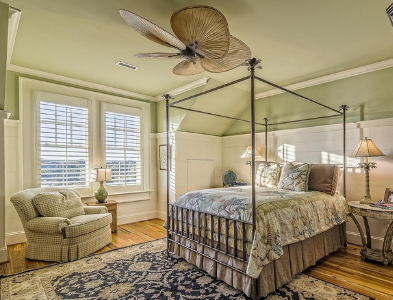
Custom furniture accommodates exact spatial dimensions eliminating compromises inherent in selecting mass-produced pieces designed for average rooms rather than specific locations. Odd-shaped spaces including angled walls, sloped ceilings, and architectural protrusions receive furniture precisely fitted maximizing usable area without wasted gaps or awkward proportions. Built-in solutions integrate seamlessly with existing architecture appearing as intentional design elements rather than afterthought additions. Height customization ensures appropriate scale relationships with surrounding furnishings and human proportions avoiding oversized pieces overwhelming rooms or undersized furniture appearing insignificant within spacious environments. Depth adjustments accommodate traffic flow requirements preventing furniture obstruction through narrow passages while maximizing storage or seating capacity where space permits. This dimensional precision proves particularly valuable in urban dwellings, historic properties with non-standard construction, and contemporary architectural designs featuring unconventional spatial configurations challenging furniture placement using standard retail offerings.
Custom commissions enable complete design control expressing individual aesthetic preferences rather than conforming to manufacturer decisions regarding proportions, details, and stylistic elements. Traditional designs incorporating classical motifs including carved details, turned legs, and decorative inlays honor historical precedents while adapting dimensions and materials for contemporary needs. Modern interpretations emphasize clean lines, minimal ornamentation, and geometric forms creating sophisticated simplicity. Transitional styles blend traditional and contemporary elements achieving timeless versatility adapting across evolving interior design trends. Material combinations including contrasting wood species, metal accents, or upholstered elements create visual interest through thoughtful composition. Hardware selections including knobs, pulls, and hinges contribute significantly to overall character with options ranging from traditional brass through contemporary stainless steel. This creative freedom ensures furniture authentically represents owner personalities and preferences rather than accepting mass-market aesthetic compromises limiting genuine satisfaction with purchased pieces.
Solid hardwood construction throughout eliminates composite materials including particleboard, medium-density fiberboard, and plywood cores underlying decorative veneers in mass-produced furniture. Natural wood develops attractive patina as oils darken and surfaces acquire subtle wear patterns telling stories of family life rather than degrading through use. Grain patterns unique to each piece ensure no identical duplicates exist creating authentic one-of-a-kind furnishings. Structural integrity from quality joinery and appropriate wood selection enables furniture supporting rigorous daily use across generations without loosening joints or sagging surfaces plaguing inferior construction. Repairability advantages allow future craftspeople addressing inevitable damage through wood replacement, joint reinforcement, or refinishing impossible with composite materials permanently bonded and irreparable once damaged. Environmental benefits include biodegradability, reduced chemical off-gassing from synthetic materials and adhesives, and support for sustainable forestry practices contrasting with industrial furniture production's environmental impacts.
Custom design addresses specific functional requirements impossible to satisfy through standardized retail furniture designed for generic average usage patterns. Storage solutions incorporate appropriate compartment sizes accommodating actual possessions rather than arbitrary manufacturer decisions regarding shelf spacing and drawer depths. Work surfaces position at ergonomically appropriate heights matching user stature and task requirements preventing discomfort from standard desk heights designed for mythical average populations. Accessibility modifications accommodate mobility limitations through lever hardware replacing knobs, adjustable-height surfaces, and clearance considerations for wheelchair access. Specialized features including integrated charging stations, cable management systems, and equipment mounts address contemporary technology integration needs absent from traditional furniture designs. Durability enhancements including reinforced construction for high-traffic commercial applications or child-resistant features for family environments ensure furniture withstands anticipated use patterns. This functional customization creates furniture genuinely serving user needs rather than forcing lifestyle adaptations accommodating furniture limitations inherent in mass-produced standardized designs.
Quality craftsmanship and durable materials enable furniture transmission across generations creating family heirlooms accumulating sentimental value through association with significant life events and family memories. Economic value appreciates as quality vintage furniture commands premium prices reflecting scarcity of genuine craftsmanship in contemporary markets dominated by disposable goods. Timeless design avoids trendy styling ensuring furniture remains aesthetically relevant across decades of evolving interior design preferences. Maintenance accessibility through repairable construction and refinishable surfaces allows furniture adaptation to changing needs and aesthetic preferences without replacement. Environmental responsibility through longevity reduces consumption cycles minimizing resource extraction, manufacturing energy, and landfill waste associated with disposable furniture replacement. Emotional connections develop as furniture witnesses family milestones including childhood memories, celebrations, and daily rituals creating irreplaceable sentimental associations impossible to replicate through mass-produced goods lacking personal history and family connection embedded in custom heirloom pieces passing between generations.
Commission process creates meaningful relationships between clients and craftspeople fostering appreciation for skilled labor and traditional knowledge increasingly rare in automated manufacturing environments. Design consultations educate clients regarding wood species characteristics, construction methods, and finishing options empowering informed decisions aligning with priorities and preferences. Progress updates document construction milestones building anticipation and ownership investment exceeding transactional retail purchasing experiences. Workshop visits when feasible provide direct observation of craftsmanship techniques and material transformations connecting consumers to production processes typically hidden behind corporate supply chains. Problem-solving collaboration addresses unexpected challenges including material defects or design refinements emerging during construction developing mutual respect and shared satisfaction in overcoming obstacles. Delivery and installation include care instructions and maintenance guidance supporting long-term furniture preservation. These interpersonal elements transform furniture acquisition from commodity transaction into memorable collaborative journey creating lasting appreciation for craftsmanship and personal connections with furniture creators enriching ownership experiences beyond mere functional utility.
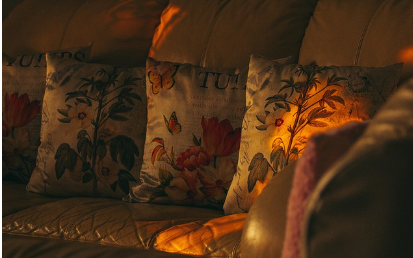
Dining table commissions accommodate specific size requirements matching available space and seating capacity needs from intimate four-person configurations through expansive tables hosting extended family gatherings. Shape options including rectangular, round, oval, and square suit different room proportions and social dynamics. Extension mechanisms hidden within table structures enable flexible capacity adjusting between everyday use and occasional entertaining. Base designs range from traditional pedestal styles maximizing legroom through contemporary trestle constructions making visual statements. Wood selection emphasizes species suitable for dining use balancing durability against staining and heat damage with appropriate finishing providing adequate protection. Surface treatments vary from natural oil finishes showcasing wood grain through durable polyurethane coatings withstanding daily use rigors. Leaf storage solutions integrate into table designs or provide separate cabinetry maintaining extensions readily accessible. Breadboard ends prevent warping across wide surfaces. Sliding dovetails allow seasonal wood movement. Custom sizing ensures comfortable seating arrangements avoiding cramped positioning or excessive reach distances compromising dining experiences.
Custom cabinetry and shelving maximize storage capacity within available space through precise dimensional fitting and functional organization tailored to stored items. Bookcases accommodate specific collections with adjustable shelving spacing preventing wasted vertical space. Entertainment centers integrate audio-visual equipment with appropriate ventilation, cable management, and equipment access. Kitchen storage extends beyond standard cabinet offerings through specialized organizers, pull-out systems, and custom drawer configurations. Closet systems optimize clothing storage through hanging rods positioned at appropriate heights, shelf spacing matching folded garment dimensions, and accessory storage for shoes and small items. Window seats combine seating with concealed storage within base compartments. Mudroom cubbies organize family members' belongings through dedicated spaces preventing clutter accumulation. Office storage accommodates files, supplies, and equipment through purpose-designed compartments. Material selections coordinate with surrounding architecture and existing furnishings. Hardware choices range from traditional through contemporary styles. Finish matching ensures seamless aesthetic integration appearing as original architectural elements rather than aftermarket additions.
Coordinated bedroom furnishings create cohesive aesthetics through consistent design language, wood species, and finishing details across bed frames, nightstands, dressers, and additional pieces. Bed designs range from minimalist platforms through elaborate carved headboards reflecting personal style preferences. Storage integration including built-in drawers or lift mechanisms maximizes small bedroom functionality. Mattress sizing accommodates standard dimensions while frame styling remains fully customizable. Nightstand heights align with mattress top for convenient bedside access with drawer and shelf configurations matching storage needs. Dresser drawer quantities, depths, and widths customize for clothing types and quantities. Mirror mounting integrates with dresser designs or provides separate framed pieces. Wardrobe cabinets substitute for inadequate closet space through hanging storage, shelving, and drawer combinations. Bench seating at bed footboards adds functionality and visual completion. Wood selection emphasizes comfortable sleeping environment through natural material warmth contrasting cold metals and plastics. Joinery quality ensures silent drawer operation and door function maintaining bedroom tranquility. Finishing avoids noxious off-gassing supporting healthy indoor air quality.
Custom desks optimize work surface dimensions and configurations supporting specific professional activities and equipment requirements. Computer desks integrate keyboard trays, monitor positioning, and cable management systems. Writing desks emphasize expansive surfaces and traditional aesthetic details. Standing desks incorporate adjustable-height mechanisms supporting ergonomic working positions. L-shaped and U-shaped configurations maximize corner space utilization in dedicated office environments. Drawer organization accommodates office supplies, files, and personal items through appropriate compartment sizing. Credenzas provide supplemental surface and storage supporting primary desk functions. Bookcases display professional libraries with adjustable shelving accommodating various book sizes. Conference tables facilitate collaborative work and client meetings through appropriate sizing and finish durability. Workbenches for creative and technical professions incorporate tool storage, equipment mounting, and robust construction withstanding heavy use. Material selections balance aesthetic preferences with practical durability requirements. Ergonomic considerations include appropriate work surface heights, adequate legroom clearances, and comfortable seating relationships. Lighting integration when desired provides task illumination without separate fixtures.
Custom chairs combine woodworking craftsmanship with upholstery expertise creating comfortable durable seating tailored to body dimensions and aesthetic preferences. Dining chair designs coordinate with table styling while prioritizing seated comfort through appropriate dimensions and support. Upholstered seats and backs add cushioning with fabric selections matching interior decor. Arm chairs provide additional support and presence suitable for table head positions. Bench seating offers flexible capacity and casual aesthetics. Lounge chairs emphasize relaxation through reclined positions and generous cushioning. Office chairs integrate ergonomic features including lumbar support, adjustable heights, and swivel mechanisms within custom wood frames. Frame construction utilizes traditional joinery ensuring structural integrity under repeated stress cycles. Spring systems provide responsive cushioning superior to foam alone. Upholstery options span leather through performance fabrics with appropriate selections for intended use intensities. Decorative details including nailhead trim, tufting, and contrast welting add visual interest. Removable cushion covers facilitate cleaning and fabric updates. Wood finishes coordinate with other furnishings maintaining aesthetic continuity. Comfort testing ensures ergonomic appropriateness before final construction.
Furniture restoration services return damaged or deteriorated pieces to functional beauty through expert repair and refinishing preserving family heirlooms and quality vintage furnishings. Structural repairs address loose joints, broken components, and damaged surfaces through traditional woodworking techniques maintaining original construction integrity. Wood replacement matches species, grain patterns, and color tones achieving invisible repairs. Veneer repair and replacement addresses lifting, cracking, or missing decorative surfaces. Finish removal strips old deteriorated coatings preparing surfaces for fresh applications. Wood preparation includes cleaning, sanding, and stain correction evening color variations. Finish application replicates original treatments or updates with contemporary products offering improved durability. Hardware restoration includes cleaning, polishing, replating, or replacement with period-appropriate alternatives. Structural reinforcement strengthens weakened construction without compromising original character. Upholstery restoration replaces worn fabrics and degraded padding while preserving frame integrity. Conservation approaches balance preservation of original materials and finishes with functional restoration enabling continued use. Documentation photographs and describes work performed maintaining historical records. Consultations assess restoration feasibility and cost-effectiveness compared to replacement alternatives guiding informed decisions regarding furniture futures.
Address
142 Boulevard de la Blancarde
13004 Marseille
France
Workshop Hours
Tuesday - Friday: 9:00 - 17:00
Saturday: 10:00 - 14:00